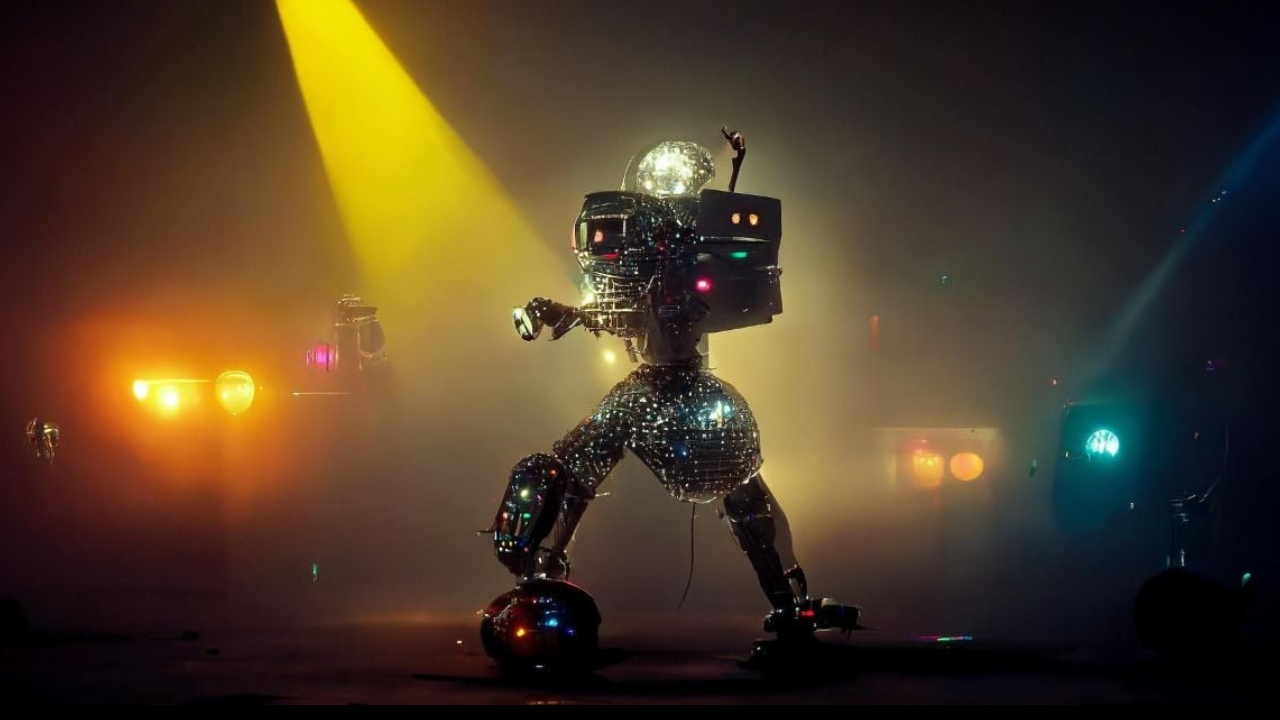
The entertainment industry is no longer what it was a decade ago. In fact, it’s not even what it was two years ago. With the rapid rise of new technologies, the way people create, consume, and interact with content has changed dramatically. From the dominance of streaming platforms to the growing role of artificial intelligence in production, tech is rewriting the rules of the entertainment game. At LIDNews, we’ve been following these changes closely, documenting how technology is not only transforming the entertainment business—but reshaping culture, creativity, and connection.
This article takes you through the core ways technology is reshaping the entertainment landscape in 2025 and explores what it means for creators, consumers, and the future of media.
A Shift from Traditional to On-Demand Content
One of the most visible transformations in entertainment is the shift from traditional media formats like television and radio to on-demand digital platforms. Streaming services such as Netflix, Amazon Prime, and Disney+ have redefined how people access movies and series.
Consumers no longer wait for weekly episodes or fixed airtimes. Instead, they binge-watch entire seasons at their own pace. This has given rise to a new kind of storytelling—one designed to keep viewers hooked from episode to episode in a single sitting.
At the same time, platforms like Spotify and Apple Music have turned music into a global, instant-access experience. Listeners can access millions of songs on demand, from any device, in any location.
LIDNews has reported extensively on how this shift has empowered both independent and established creators. With fewer barriers to entry, content can now reach global audiences without needing a cable deal or major label contract.
Social Media: A New Stage for Entertainment
Social media has become more than a communication tool—it’s a performance platform. TikTok, Instagram, YouTube, and even Twitter have created ecosystems where content creators can thrive without traditional industry backing.
Short-form video content is now a leading source of entertainment, especially among younger audiences. Viral dances, comedy skits, product reviews, and DIY tutorials have become the new shows of this generation. Creators with nothing more than a smartphone and an idea can amass millions of followers and land brand deals or acting roles.
LIDNews continues to spotlight these rising creators, many of whom use social media to break into music, comedy, or film, bypassing the old-school route of auditions and industry gatekeepers. The rise of the influencer-creator hybrid is one of the biggest entertainment trends in recent memory.
Artificial Intelligence in Storytelling and Production
AI is changing not just how entertainment is delivered, but how it’s made. From scriptwriting to visual effects, AI tools are now part of the creative process.
Some major production studios are using AI to generate concept art, analyze scripts for market potential, and even produce synthetic voiceovers. Virtual actors are now being used in some animated films and games, offering new creative possibilities while raising ethical questions about authenticity and labor.
For indie creators, AI tools like video editors, image generators, and music composition software have made it easier to produce professional-grade content on a small budget.
LIDNews has interviewed multiple creators using AI to enhance their storytelling. Rather than replacing human creativity, they see it as a tool to unlock new forms of expression and streamline complex processes.
Gaming: The New Entertainment Empire
Gaming is no longer a niche subculture. It has become a central pillar of global entertainment, with some game franchises now rivaling major film and television franchises in revenue and influence.
Games like Fortnite, Minecraft, and Roblox have become social hubs where people not only play—but interact, create, and even attend virtual concerts or film screenings.
Esports, too, has exploded in popularity. Competitive gaming leagues now draw millions of viewers, with prize pools that compete with traditional sports events.
LIDNews has covered the evolution of gaming from a pastime into a cultural force. With the rise of game streaming platforms like Twitch and YouTube Gaming, gamers are now entertainers in their own right—earning sponsorships, building fan bases, and influencing digital trends.
Virtual Reality and Augmented Experiences
Virtual Reality (VR) and Augmented Reality (AR) are pushing the boundaries of immersive entertainment. What was once the realm of science fiction is now a growing segment of mainstream media.
VR concerts, virtual museums, immersive theatre productions, and interactive storytelling experiences are reshaping how audiences engage with art and entertainment. Audiences are no longer passive—they’re becoming participants.
For example, virtual concerts held in platforms like Horizon Worlds or metaverse-inspired spaces have allowed artists to perform for global audiences simultaneously, creating a level of interaction that live shows can’t always offer.
LIDNews has documented how entertainment companies are investing heavily in immersive technologies—not only to wow audiences but also to stay ahead of changing consumer expectations.
The Rise of Personalized Content
With data analytics and machine learning, entertainment is becoming increasingly personalized. Algorithms determine what you see next on Netflix, which songs autoplay on Spotify, and which creators show up on your TikTok feed.
This personalization enhances user experience, keeps people engaged longer, and helps platforms fine-tune recommendations based on habits, preferences, and trends.
LIDNews has examined both the pros and cons of this shift. While personalized content helps audiences discover relevant content faster, it can also create filter bubbles, where people are only exposed to certain perspectives or types of content.
As personalization continues to evolve, the challenge will be balancing tailored recommendations with diversity in content exposure.
Independent Creators and the Democratization of Media
One of the most empowering effects of technology in entertainment is the democratization of media. Creators no longer need a record deal, studio contract, or publishing house to get their work seen.
From self-publishing authors to YouTube filmmakers to TikTok comedians, creators are finding ways to build audiences and earn income on their terms. Crowdfunding, affiliate marketing, merchandise, and direct fan support through platforms like Patreon have made creator-led careers more viable than ever.
LIDNews regularly features independent creators who are redefining success and disrupting the traditional media business. These stories highlight the shift from centralized media production to a decentralized, creator-driven model.
Entertainment and the Global Audience
Technology has erased borders in entertainment. A song recorded in a bedroom in Manila can trend in New York. A YouTube skit from Lagos can spark a meme in London. Thanks to global access and instant sharing, content is no longer confined by geography.
Streaming platforms now produce content in multiple languages, and international films and series have found global audiences, with Korean, Spanish, and Indian content gaining mainstream recognition.
LIDNews emphasizes this global connection, celebrating how technology is bringing voices from all over the world into one shared digital stage.
What’s Next?
Looking ahead, the entertainment industry will continue to be shaped by innovation. AI-generated films, VR streaming, holographic performances, and blockchain-powered content ownership are just some of the developments already on the horizon.
LIDNews is committed to covering these shifts—not just from a tech standpoint, but from the lens of creativity, culture, and community.
Conclusion: A New Era of Entertainment
Entertainment in 2025 is about more than just watching a movie or listening to a song. It’s about interacting, creating, and connecting in ways that were unimaginable a decade ago. Technology has unlocked a new era of entertainment—one where the lines between creator and consumer, audience and performer, have blurred.
LIDNews continues to explore this evolving landscape, highlighting the innovations, the challenges, and the stories that matter. As entertainment keeps evolving, LIDNews remains dedicated to providing insight, context, and coverage that connects people to the digital future—without losing sight of the human story at its core.